KNOWLEDGE HUB · HAND AND WRIST ORTHOSES
Thermoplastic Orthosis or Chrisofix®? Customizable Immobilization, Made Simpler
A ready-made orthosis with a customizable fit—no heating or on-site splint fabrication required.
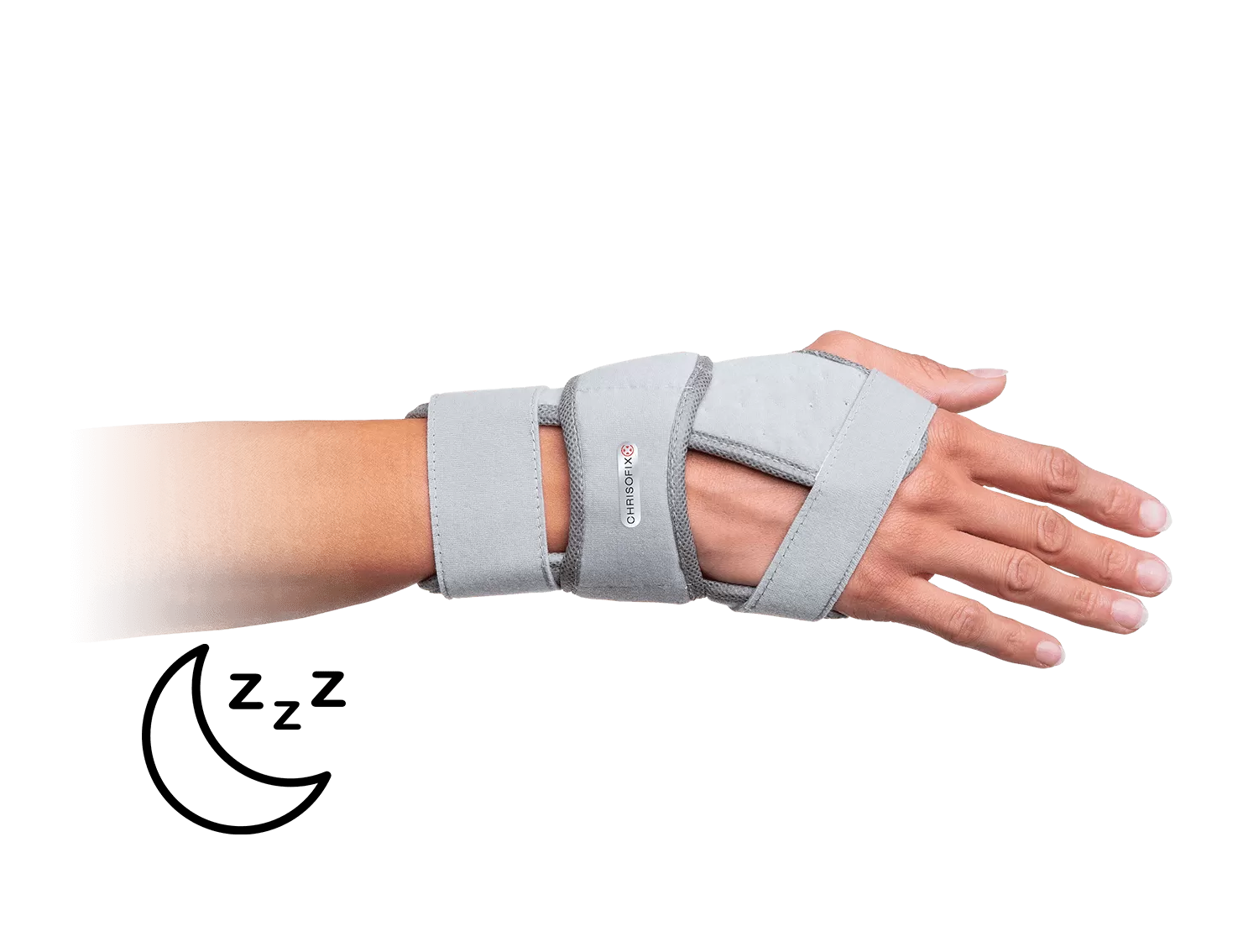
In the case of hand or wrist complaints, the purpose of an orthosis is to support and immobilize the affected area in the prescribed position. However, when making a choice, it is also important to consider how the orthosis is fabricated, how it is fitted to the patient, and how easy it is to use during the course of treatment.
A custom-made thermoplastic orthosis is a useful solution in a wide variety of situations. For certain indications, however, the required immobilization can also be achieved using a pre-manufactured, moldable orthosis. Chrisofix® offers such an option: once the appropriate model is selected, the pre-formed structure can be adjusted to the patient without the need for heat or water. [1]
What is a thermoplastic orthosis?
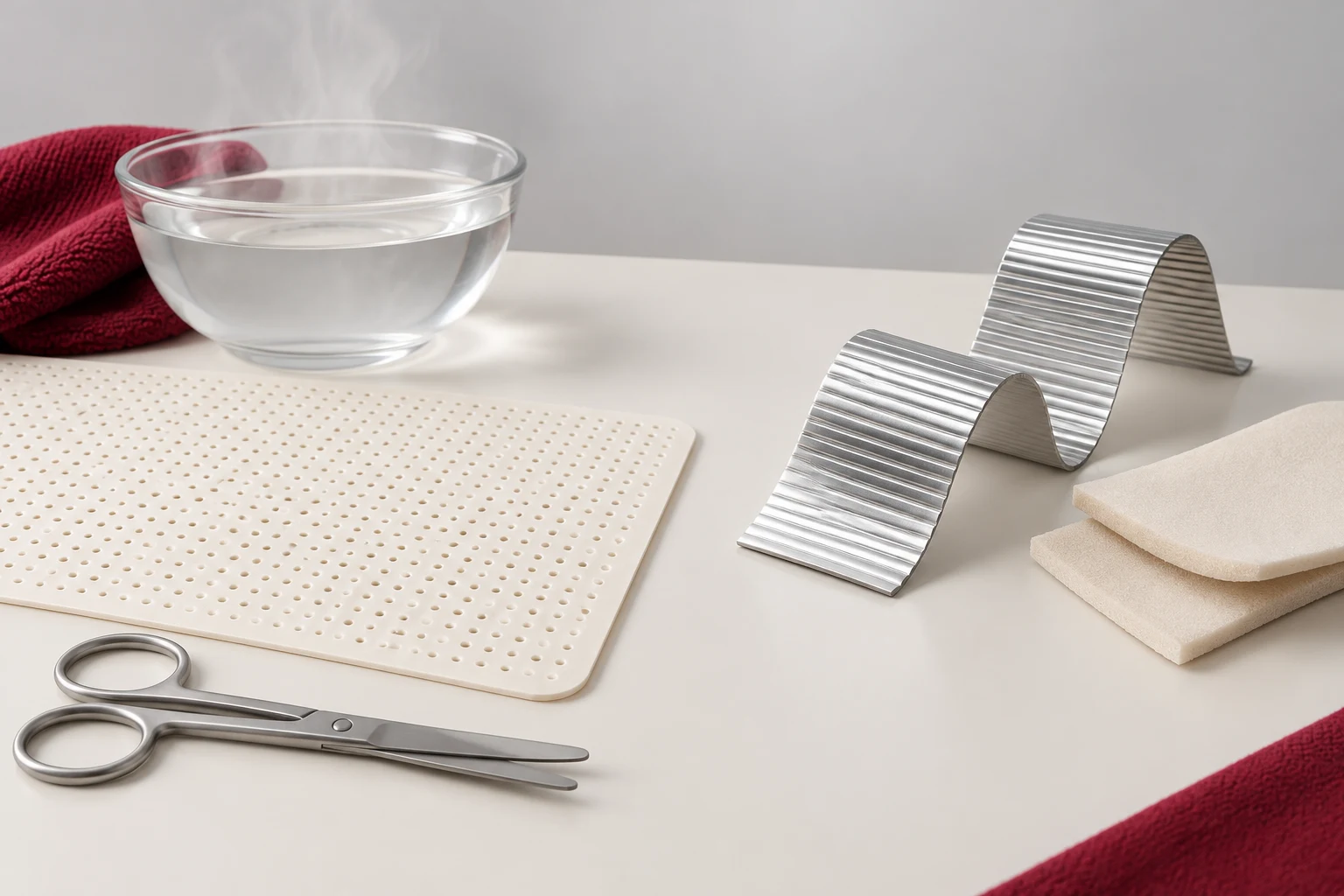
Low-temperature thermoplastic material, used in hand therapy, becomes moldable when heated. The practitioner shapes it as desired, and upon cooling, the material retains the established form. Depending on the base material and the type of orthosis, custom fabrication may involve cutting, finishing the edges, and configuring the fastening mechanisms.
The advantage here is a high degree of design freedom: the shape of the orthosis can be tailored to specific anatomical and therapeutic requirements. Thermoplastic orthoses can also be modified later; many materials can be reshaped after being partially or completely reheated. [2]
This comparison focuses primarily on custom-made, static hand and wrist orthoses. Since pre-formed versions also exist within the category of thermoplastic products, not all of them require the same fabrication process.
How does the Chrisofix® solution work?
The structure of Chrisofix® hand orthoses is based on a moldable, corrugated aluminum core. The design is completed by layers that come into contact with the body, along with the fastening elements specific to each model. The orthosis is supplied in a pre-formed state and can be fitted to the patient through manual shaping. [1]
Detailed overview of Chrisofix® technology →
In this context, an "off-the-shelf" (ready-made) solution does not imply a fixed, unalterable shape. While the model and size provide the starting point, the fitting process allows the orthosis to be tailored to the specific hand or wrist. The initial fitting and any significant reshaping should be performed by a healthcare professional. [3]
A practical comparison
| Aspect | Custom-made thermoplastic orthosis | Chrisofix® |
|---|---|---|
| Starting point | Thermoplastic sheet or pre-cut thermoplastic material | Finished orthosis, in a selected model and size |
| Shaping | Heating, molding, and cooling | Manual shaping, without the use of heat or water |
| Custom design | High degree of freedom in designing geometry and construction | Adjustment within the design and size range of the existing model |
| Subsequent modification | Via reheating (depending on the material) | Can be readjusted by hand, in accordance with usage instructions |
| On-site workflow | Custom fabrication and fitting | Selection of model and size, fitting, and verification |
| Special requirements | Custom construction is also possible | Requires the availability of an appropriate pre-existing model |
This table illustrates the differences in materials and workflows; the appropriate immobilization for a given patient is determined by the treatment objective. [1], [2], [3], [4]
Why might a ready-made solution be more practical?
Fewer on-site fabrication steps
When using the ready-made orthosis, the specialist does not need to construct the brace from raw materials. Attention can instead be focused on selecting the appropriate model and size, fitting the device, verifying the stabilized position, and instructing the patient.
Eliminating the heating and cooling steps can simplify the workflow. This is particularly valuable when a pre-formed model suitable for the therapeutic goal is already available, removing the need for custom fabrication. The time saved depends on the specific clinical context and the alternative procedure being compared.
Readjustment without heating tools
The fit may change during the course of treatment—for instance, as swelling subsides. For certain Chrisofix® models, the instructions for use allow for minor readjustments; the documentation for the DIP finger splint, for example, explicitly mentions this possibility. However, repeated bending can compromise stability, so shaping should be kept to the absolute minimum necessary. [4]
Therefore, the key distinction is not that only Chrisofix® products can be modified—thermoplastic orthoses can also be reshaped—but rather that Chrisofix® offers the practical advantage of being adjustable without the need for heating.
Pre-formed solutions for diverse clinical needs
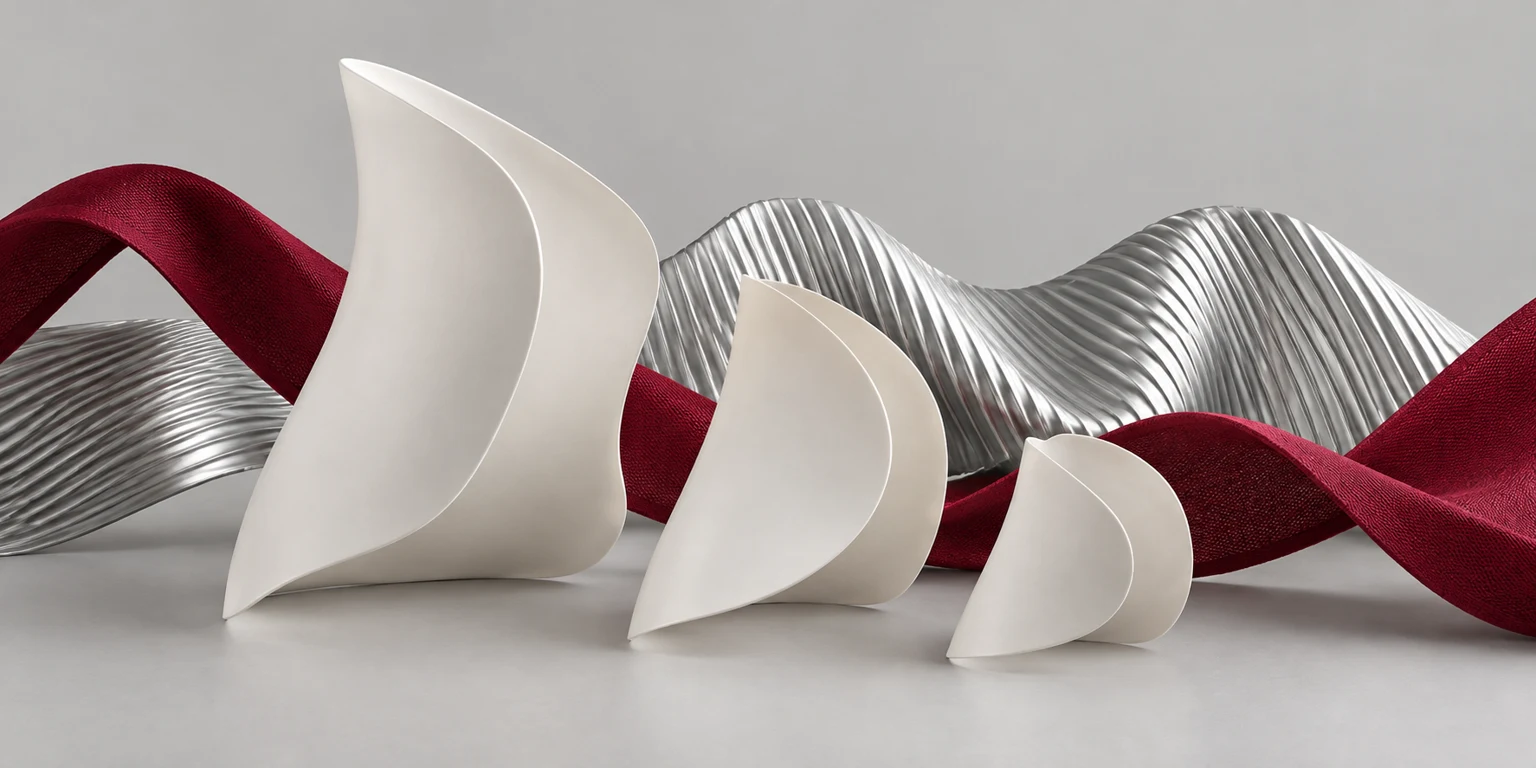
Not all treatments require the same type of immobilization. A design suitable for nighttime rest may differ from one intended for daytime use. When selecting an orthosis, one must also consider which joints require stabilization and which should remain free to move.
The Chrisofix® product range, for example, includes specific orthoses for daytime and nighttime wrist support, as well as an orthosis for the trapeziometacarpal (thumb saddle) joint. These models serve different purposes; their application should be tailored to the individual treatment plan. [3], [5], [6], [7]
Consider the total cost of care
The cost of an orthosis includes more than the product or raw material price. On-site fabrication, fitting, equipment use and subsequent adjustments also require time and resources.
A ready-made solution reduces the amount of fabrication-related work required on-site, potentially allowing for more efficient workflow organization. The actual savings should be evaluated based on the specific workflows and costs of the given institution.
For which conditions can a Chrisofix® orthosis be used?
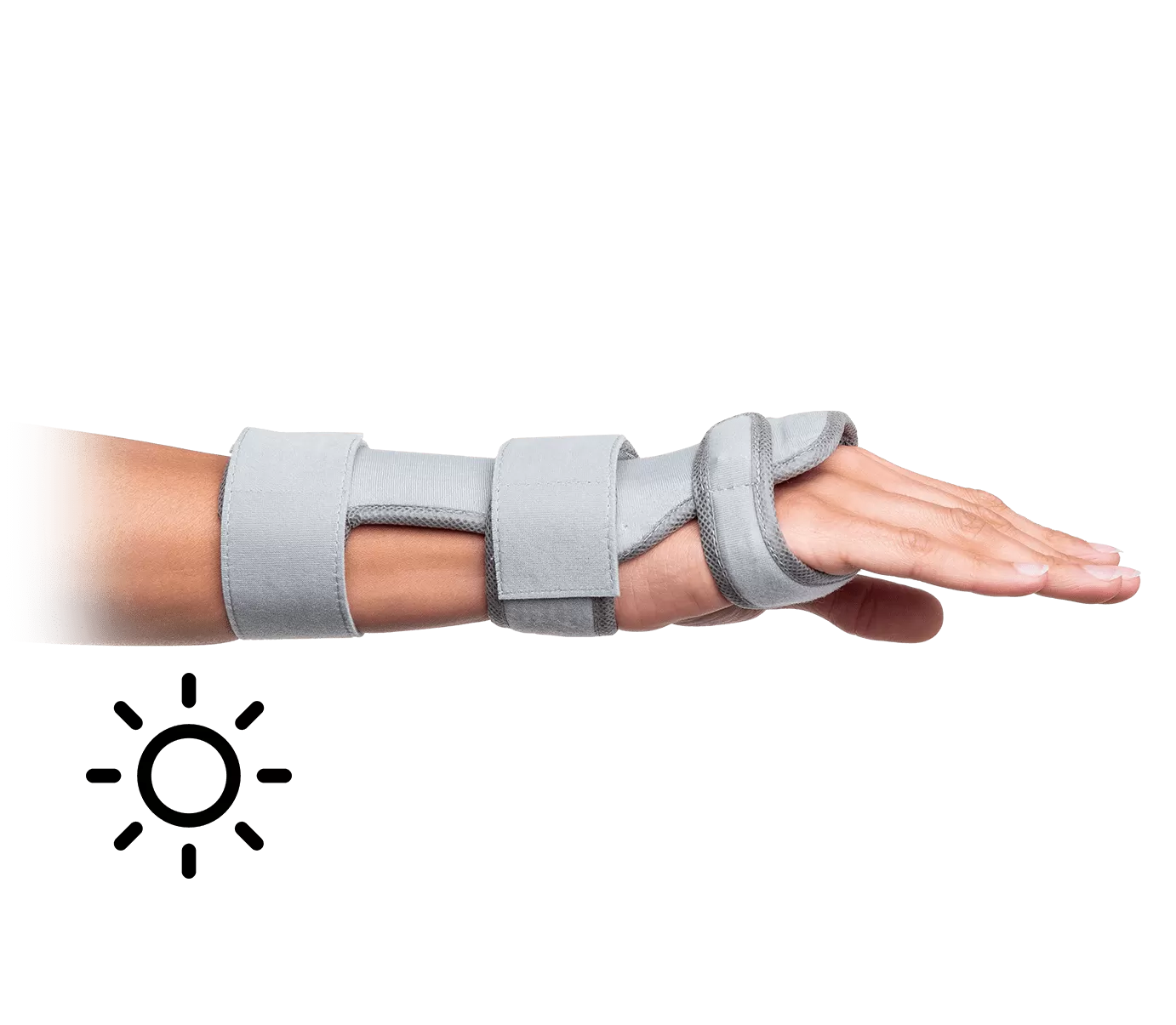
Carpal Tunnel Syndrome – REF 33/34 and REF 53
The REF 33/34 nighttime orthosis is designed to maintain the wrist in the position specified in the treatment plan during rest. The REF 53 daytime model is designed to meet the requirements of daytime use. The prescribed wrist position and duration of wear are matters of individual clinical judgment. [3], [5]
CTS Orthosis (Night-time) →Wrist Orthosis (Daytime) →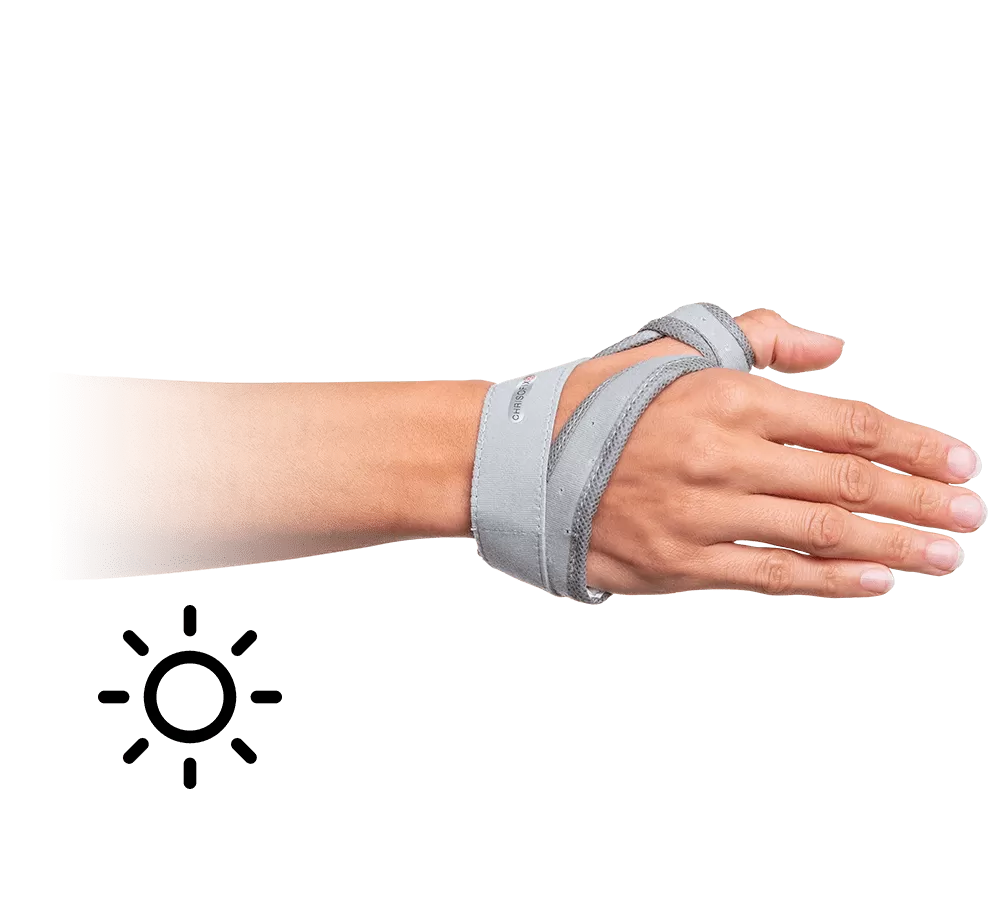
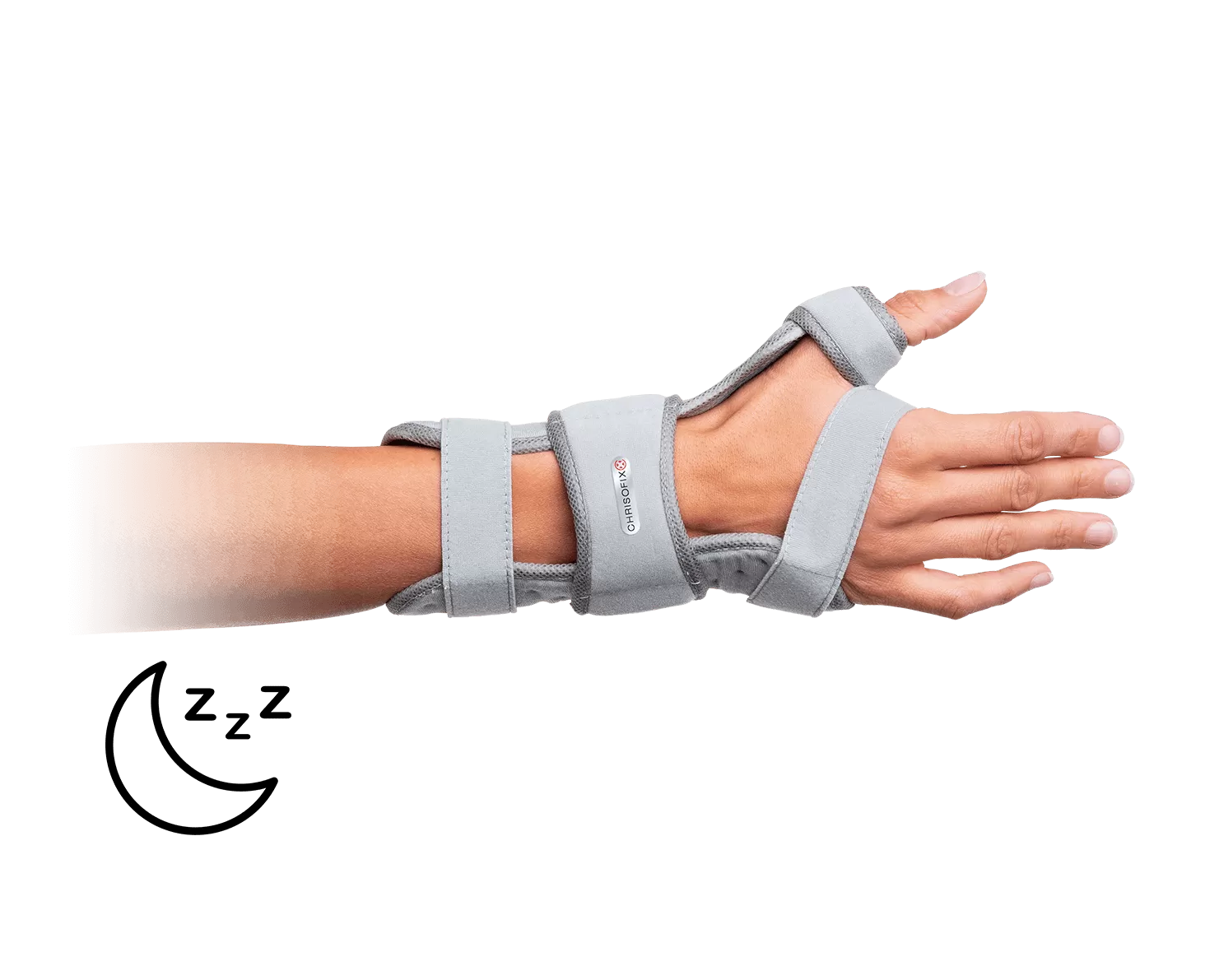
Thumb Carpometacarpal (CMC) Joint Osteoarthritis – REF 14/15 and REF 37/38
The daytime (REF 14/15) and night-time (REF 37/38) orthoses are designed to support the MCP and CMC joints of the thumb. The pre-formed structure, available in various sizes, can be gently adjusted to fit the hand. The choice of orthosis should be based on the specific symptoms and the required level of immobilization. [6], [7]
Carpometacarpal (CMC) Joint Orthosis (Daytime) →Carpometacarpal (CMC) Joint Orthosis (Night-time) →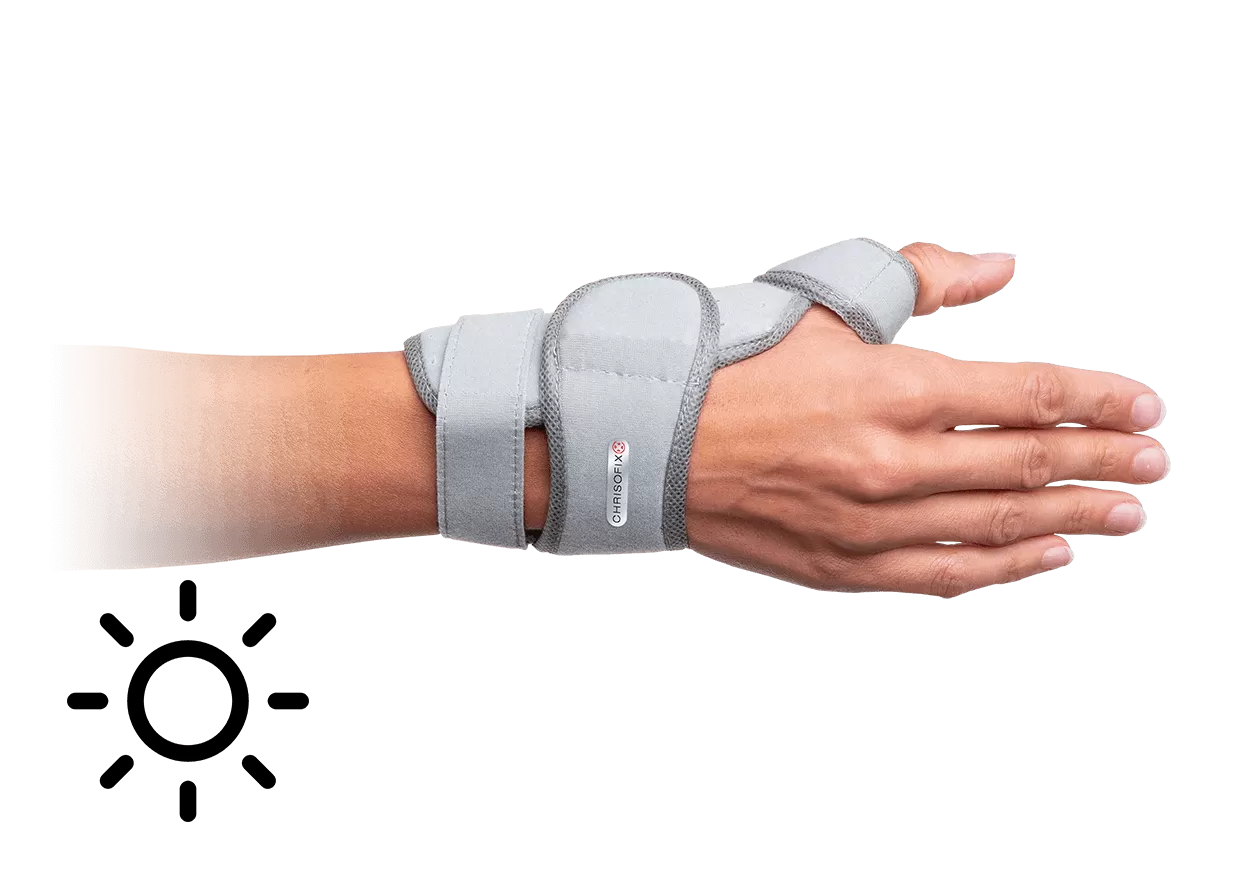
De Quervain’s Syndrome – REF 17/18
The manufacturer’s REF 17/18 orthosis, intended for daytime use, may be considered for the management of De Quervain’s syndrome. A healthcare professional will determine whether this model—or another type of support—is appropriate for the specific treatment goals in each case. [8]
De Quervain orthosis →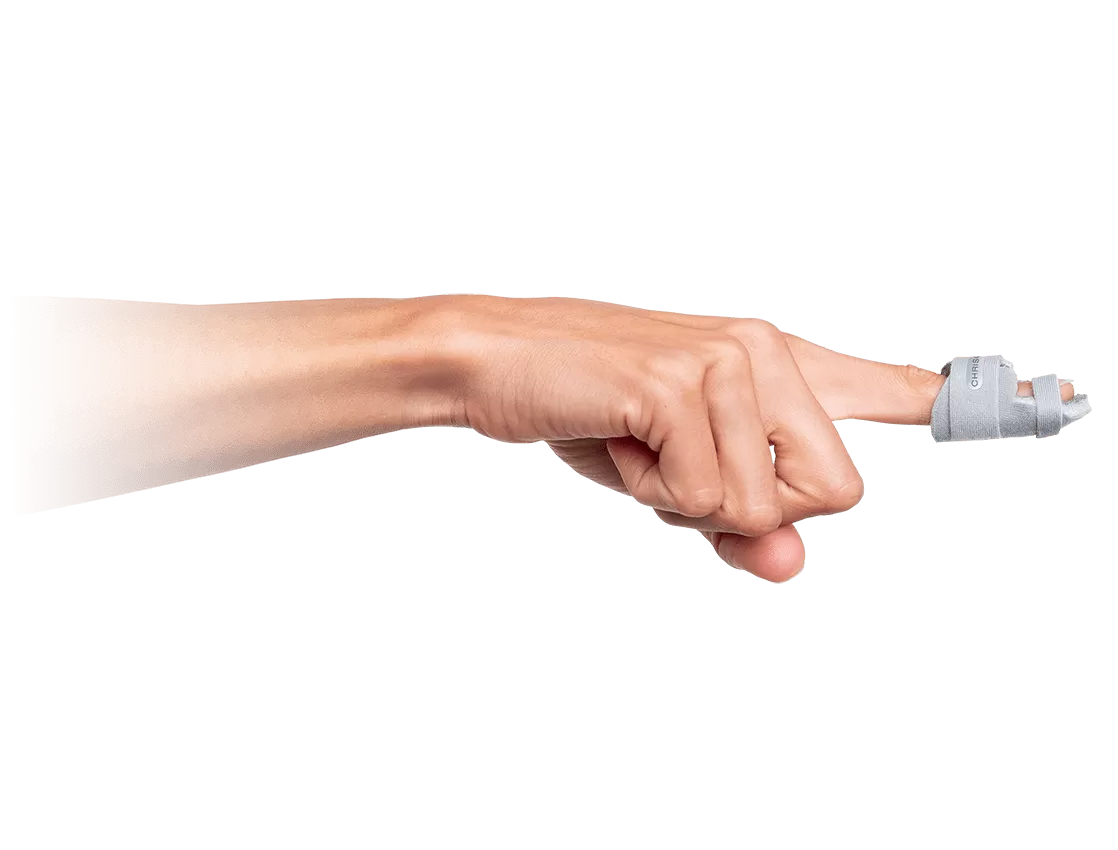
Targeted immobilization of the fingertip and DIP joint – REF 12
The REF 12 DIP splint may be used for certain fingertip and extensor tendon injuries. Its design provides targeted immobilization of the fingertip while preserving movement of adjacent joints. The treating healthcare professional determines the correct position, wearing schedule and any permitted removal. [4]
DIP splint →When might a custom thermoplastic orthosis be necessary?
Custom fabrication remains an important option. In cases involving unique anatomical features, limbs that do not fit standard sizing, or specific rehabilitation requirements, a healthcare professional may opt for a custom-made orthosis. Thermoplastic materials offer a high degree of design flexibility. [2], [9]
The deciding factor is whether the orthosis effectively meets the specific immobilization and fit requirements for the individual patient. If it does, Chrisofix® can serve as a practical alternative to on-site custom fabrication.
Frequently Asked Questions
Do "pre-fabricated" and "non-adjustable" orthoses mean the same thing?
No. The appropriate model and size of a Chrisofix® orthosis can be adjusted by hand to fit the patient. This adjustability is possible within the design parameters of the product.
Can a thermoplastic orthosis be reshaped later?
Many thermoplastic materials can be reshaped by reheating. For Chrisofix®, the permitted shaping can be performed without heat.
Can the shape of the orthosis be adjusted at home?
The initial fitting and any significant reshaping must be performed by a professional. At home, adjustments may only be made in accordance with the provided instructions for use and the training received; the orthosis should not be bent repeatedly or routinely.
Can it be removed for cleaning or physical therapy?
This depends on the condition being treated and the prescribed wearing regimen. The fact that it is designed to be removable does not necessarily mean that the immobilization can be interrupted at any time. Always follow the instructions specific to your particular product version regarding cleaning.
Customizable immobilization, a simpler fitting process
The primary practical advantage of Chrisofix® is that it combines the immediate availability of a finished product with the ability to shape it by hand. For the appropriate indication and size, it offers a solution that requires no heating or on-site splint fabrication, while allowing the fit to be customized to the individual patient.
Explore the Chrisofix® hand and wrist orthoses, or request professional guidance to help you choose the right product.
Medical Information: This article provides general information about the product and its technology. The selection, fitting, and wearing regimen for the orthosis are determined by the individual’s specific condition and the guidance of the treating healthcare professional.
Sources
- Chrisofix® technology – structural fundamentals, molding without heat or water. View source ↗
- Orfit NS – moldability after reheating. View source ↗ · Manufacturer's technical information
- Chrisofix® night-time CTS orthosis, REF 33/34 – indications, fitting. View source ↗
- Chrisofix® DIP splint, REF 12 – indication, readjustment, flexion limit. View source ↗
- Chrisofix® daytime wrist orthosis, REF 53. View source ↗
- Chrisofix® daytime CMC joint orthosis, REF 14/15. View source ↗
- Chrisofix® night-time CMC joint orthosis, REF 37/38. View source ↗
- Chrisofix® daytime De Quervain orthosis, REF 17/18. View source ↗
- Orfit Physical Rehabilitation – materials for custom orthosis fabrication. View source ↗ · Manufacturer's technical information