
Chrisofix® technology
Understand the construction and fitting principles behind Chrisofix®. Product versions differ, so use this overview alongside the material, application and care information on the exact product page.
Layered construction
In Chrisofix® hand orthoses, the malleable aluminium core provides support, while soft contact layers contribute to the fit. Appropriate straps complete the fastening for each design.
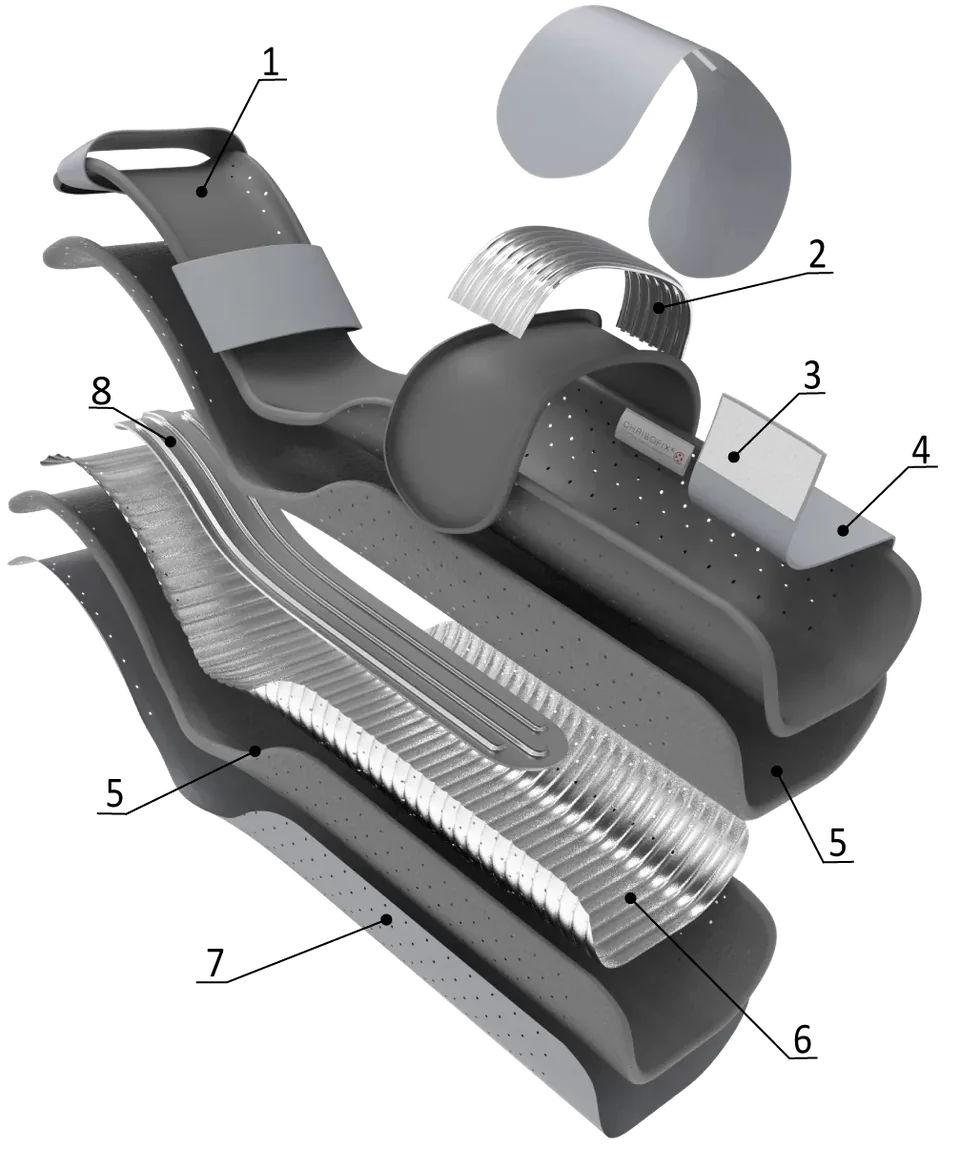
- 1 · 5 · 7Soft contact layers
- Skin-contact surfaces and layered construction.
- 6 · 8Corrugated aluminium core
- Malleable construction, fitted without heat or water.
- 2 · 3 · 4Product-specific straps
- Textile and/or aluminium-containing fastening elements.
Malleability and support
The corrugated aluminium core allows the shape to be adjusted. The appropriate shell and fastening together serve the intended purpose of each product.
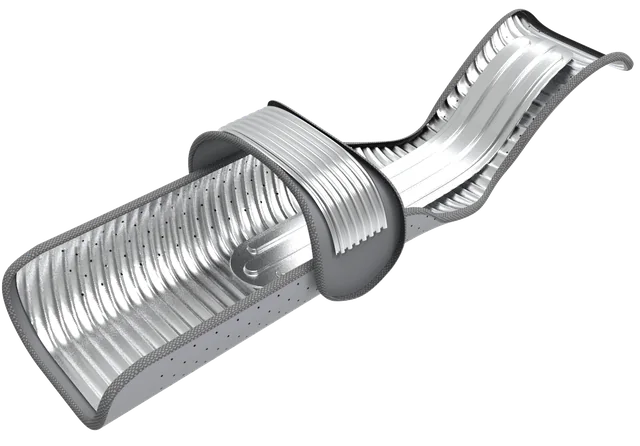
Corrugated aluminium core
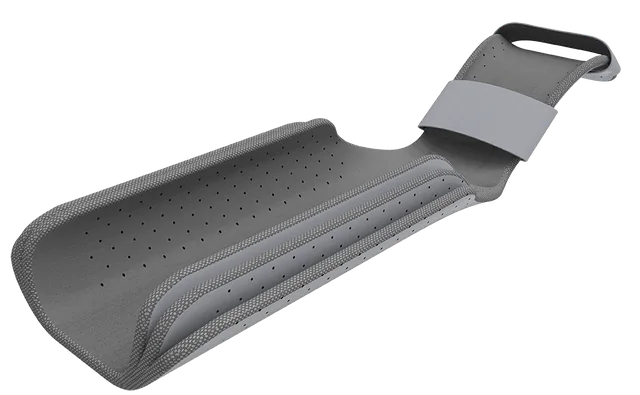
Individually shaped fit
Malleable construction, fitted without heat or water.
Product-specific straps
Textile and/or aluminium-containing fastening elements.
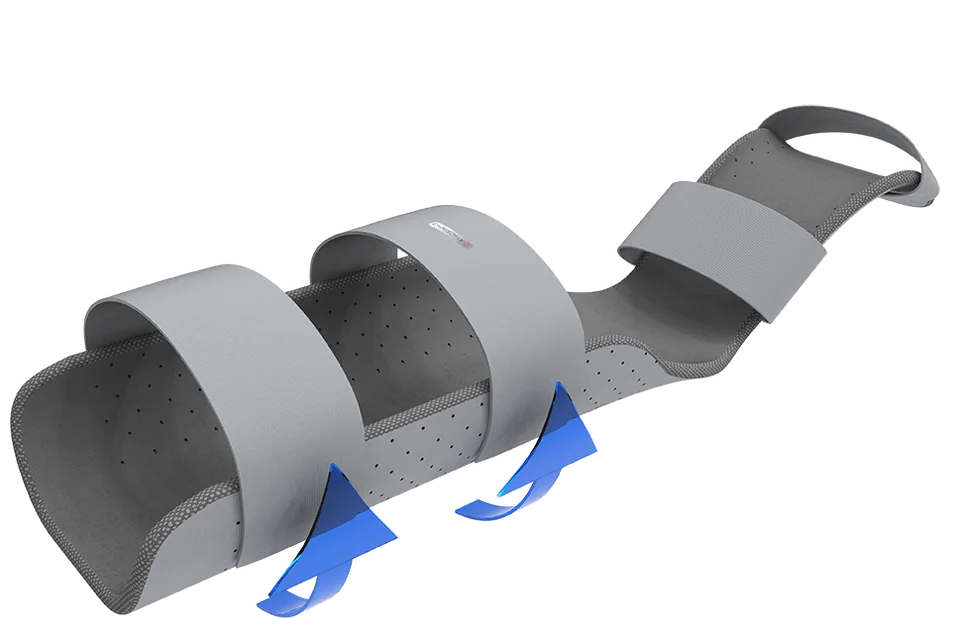
Semi-circular fixation
Textile straps secure the shell.
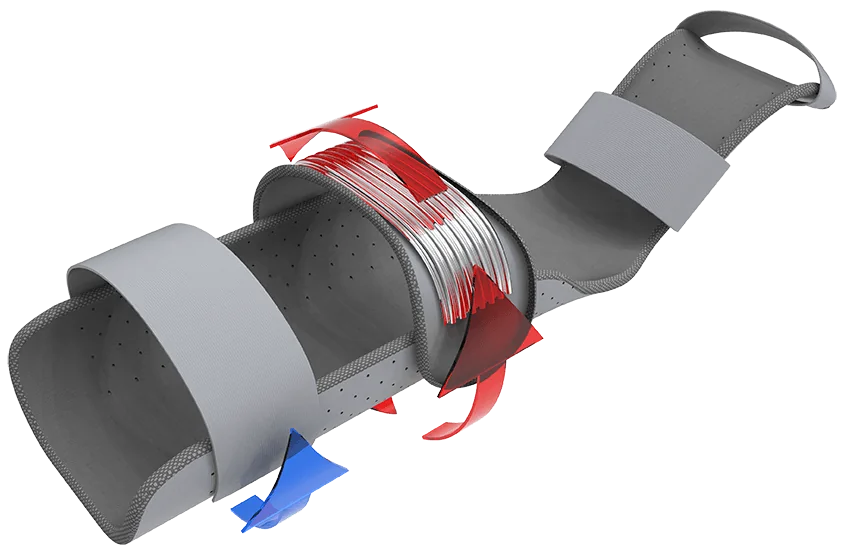
Circular fixation
Aluminium-containing straps complement the corrugated shell.
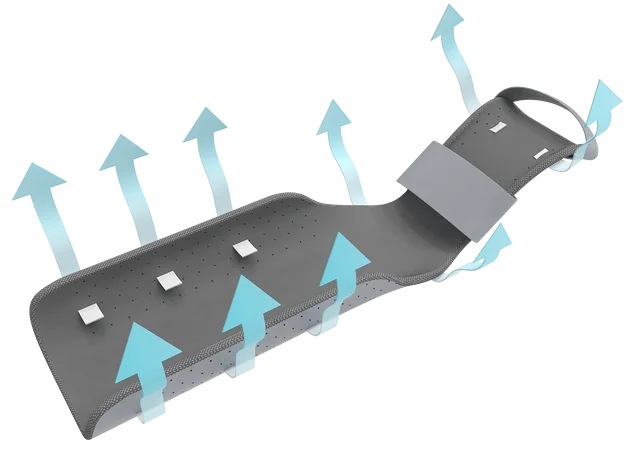
Breathable design
Perforations in the shell allow airflow. The design varies by model.
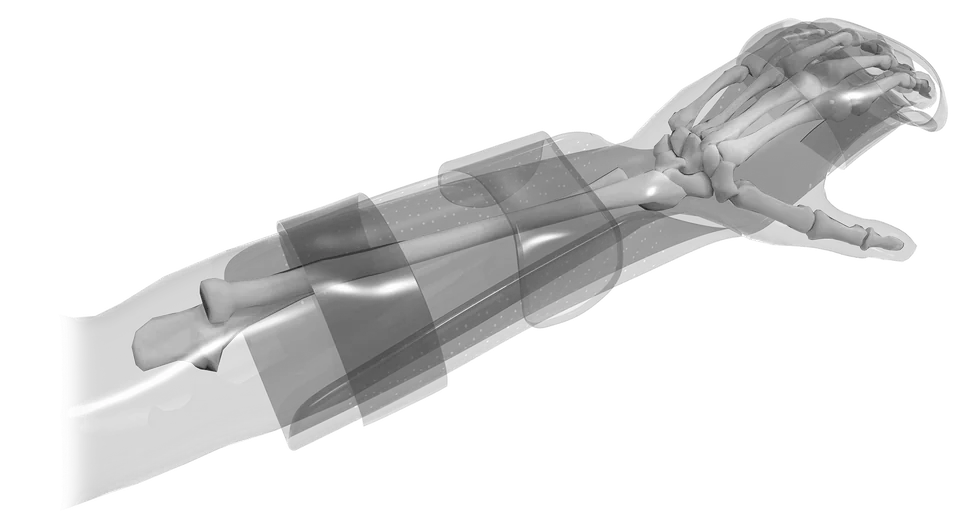
X-ray-transparent construction
The structure allows X-ray imaging. Follow the instructions for the specific product.
Check the specific cleaning, reuse and stability instructions on each product page. The rib splint, for example, is single use and does not follow the care instructions for hand orthoses.
Why Chrisofix®?
The first patent application for Chrisofix® technology was filed in 1995; manufacturing began in Hungary in 1997. The Swiss and Hungarian companies together provide the development and manufacturing expertise.
Millions of products have helped patients on their recovery journey worldwide.
Based on cumulative Chrisofix® product sales.
Chrisofix® technology presentation (English)
Discover the construction and operating principles of Chrisofix® technology. This video presents the technology; it is not a product fitting guide.

Related information
Chrisofix® technology · All products · Contact Chrisofix® · Partners and distributors